
"20th century history"
100 article(s) found

Evolution history of bean baking machine
At the beginning of the history of household roaster coffee, there were only household bean baking utensils in the world. These bean baking utensils were standard accessories in ordinary people's kitchens until the early 20th century. 16th century: the simple construction tool of the Iraqi baking pot is to move the pot to a small fire or a heat source on a coal fire.

The emergence of coffee demand in Europe began with the history and culture of coffee in the 17th century.
In the 17th century, there was a demand for coffee in Europe and began to import small quantities of roasted coffee beans from Yemen. In the 18th century, with the fragrance of European cafes and the sharp increase in coffee bean consumption, the Yemeni mocha alone was no longer enough. It is estimated that the output of coffee beans in Yemen in 2007 ○○ is about 20, 000 tons, which is stretched to meet the rising demand of Europe. The price of beans is high and the port of Mocha is busy.

Honduras | History of Honduran Coffee the market for Honduran coffee
Professional coffee knowledge exchange more information about coffee beans Please follow the coffee workshop (Wechat official account cafe_style) Honduran history and market Coffee is thought to have come to Honduras through merchants at the end of the 18th century. A census in the early 19th century showed that coffee was mainly grown by small farmers and had been widely grown since the mid-20th century. Since 1980, the coffee industry has experienced
About the history of coffee roasters
The history of coffee roasters as early as the 13th century, the Arabs invented to put coffee beans in a pot, heat and stir-fry them, then grind them into powder, and then brew coffee. The early Arabs liked to bake the beans shallowly and boil them with spices such as cardamom. Later, this method of stir-frying coffee spread to Syria, Turkey and Egypt, where it was used to stir-fry coffee black.
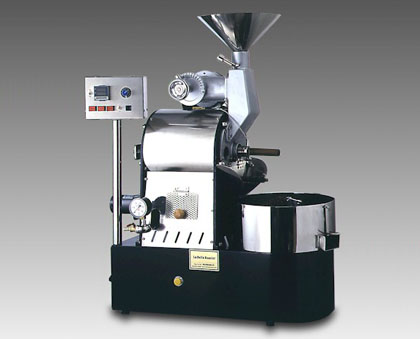
The evolution history of coffee roaster
As early as the 13th century, the Arabs invented to put coffee beans in a pot, stir-fry them with fire, grind them into powder, and then brew coffee. The early Arabs liked to bake the beans shallowly and boil them with spices such as cardamom. Later, this coffee stir-frying method spread to Syria, Turkey and Egypt, where it was used to stir-fry the coffee black, then grind it into powder and add it.

Ecuadorian coffee has a long history, single coffee, manor beans.
Coffee has a long history in Ecuador. Coffee was Ecuador's main export from the early 19th century to the early 20th century. But Ecuadorian coffee has never been included in the category of high-quality coffee due to its destructive deforestation and low processing of raw beans. Ecuador, like its neighboring coffee-growing countries, has ideal elevations and climate bars.
The international history of coffee industry introduces how the bubble of Brazilian coffee economy ended.
For professional baristas, please pay attention to the bubble economy caused by coffee in the coffee workshop (Wechat official account cafe_style) in Brazil at the beginning of the 20th century. Large-scale coffee production in Brazil began in the 19th century due to a price collapse due to mass production of coffee. Coffee is grown in Rio de Janeiro, Minas Gerais, S ã o Paulo and traded everywhere. Brazil became enslaved and cultivated

The history of coffee roaster basic knowledge of coffee
As early as the 13th century, the Arabs invented to put coffee beans in a pot, stir-fry them with fire, grind them into powder, and then brew coffee. The early Arabs liked to bake the beans shallowly and boil them with spices such as cardamom. Later, this coffee stir-frying method spread to Syria, Turkey and Egypt, where it was used to stir-fry the coffee black, then grind it into powder and add it.

Coffee roaster development history Capsule coffee machine introduction
Coffee beans were fried in iron pans in the early days. After coffee was introduced into Europe, Europeans used Turkish iron pans to fry beans on the one hand, and later invented hand-rotating roasting, which could bake several pounds of beans at the same time, which was used by some coffee shops. In the 1860s, large roasters began to appear, and in 1867 the use of blowers to cool beans after roasting gave birth to

The History of Coffee Machine
Coffee machine history at the beginning of the 20th century, an impatient engineer living near Napoli, Italy, was impatient with dripping coffee for too long, so he came up with a way to brew coffee in a high-temperature and high-pressure way to shorten the time, so he invented the world's unique Italian coffee for quick conditioning, and Espresso became popular.

Coffee history and culture have been controversial and have been considered important factors affecting children's learning.
Now we all know coffee is a good thing, but people used to think differently. Let's look back at centuries of endless debate over coffee. 16th century: Coffee can make people excited Legend has it that a shepherd named Kaldi in Ethiopia discovered that his sheep suddenly became excited after eating an oily green leaf and red berries. He tasted it himself.
Coffee Culture History Celebrities and Coffee Stories
Gabriel Decli, French officer, planted the first coffee trees in Martinique, where there were 18 million in 1777, some shipped to Haiti, Santo Domingo and Guadeloupe. Voltaire, French historian and philosopher, who drank coffee and chocolate for 65 years. Dandong, Mara, famous French revolutionary leader
History of the origin of espresso
Coffee was introduced into Italy in the 16th century. The first coffee trade developed in Venice, and the first coffee shop, Caff Florian, opened in San Marco Square in Venice in the early 18th century. So where does the familiar espresso come from? In 1855, the world's first espresso machine was held at the World Expo in Paris.

Coffee roasting History Coffee roasting Origin delicious coffee
The idea of roasting coffee over fire probably came from Ethiopia in the 13th century. In the following 700 years, people did not make much improvement to the roasting techniques of coffee. At that time, most people baked coffee at home or in coffee shops and made coffee directly from freshly baked beans. It was not until the mid-19th century that cylindrical coffee roasters were invented. From the first opening

An introduction to the History of Yadini Coffee Manor in Kenya _ reasons why Kenyan coffee beans were selected by Starbucks
Professional coffee knowledge exchange more coffee bean information Please follow the coffee workshop (Wechat official account cafe_style) Coffee in Kenya does not have a long history. It first appeared in Kenya as a coffee drink imported from Ethiopia in the 19th century. Until the beginning of the 20th century, the bourbon coffee tree was introduced by the St. Austin mission, and coffee cultivation began in Kenya. Yadini

Home baking utensils household baking appliances
At the beginning of the history of coffee, there were only household bean baking utensils in the world. These bean baking utensils were standard accessories in ordinary people's kitchens until the early 20th century. 16th century: the simple construction tool of the Iraqi baking pot is to move the pot to a heat source on a small fire or coal fire and stand on its feet on a long handle.

Coffee History, Origin, Development and Culture found that Coffee spread to Europe
The concentration mentioned here is not the taste in sensory analysis, but should be understood from the customer's point of view. It refers to the perceived coffee concentration in milk-based coffee. First of all, you have to consider the type of coffee you use, and you also need to consider the size of the cup and the variety of milk. Many factors affect the taste of coffee and milk, thus affecting the concentration, some of them.
The history of coffee roasters
As early as the 13th century, the Arabs invented to put coffee beans in a pot, stir-fry them with fire, grind them into powder, and then brew coffee. The early Arabs liked to bake the beans shallowly and boil them with spices such as cardamom. Later, this coffee stir-frying method spread to Syria, Turkey and Egypt, where it was used to stir-fry the coffee black, then grind it into powder and add it.

Introduction of boutique coffee Ecuadorian coffee
Coffee has a long history in Ecuador. Coffee was Ecuador's main export from the early 19th century to the early 20th century. But Ecuadorian coffee has never been included in the category of high-quality coffee due to its destructive deforestation and low processing of raw beans. Ecuador, like its neighboring coffee-growing countries, has ideal elevations and climate bars.

History of Yemeni coffee Yemeni coffee beans Yemeni coffee producing areas
First, the history of Yemeni coffee (1) the origin of mocha coffee is in Yemen, the origin of mocha coffee is very wide, these coffees have their own characteristics and differences from quality to taste, but because these coffees have been shipped and exported from the port of Mocha in Yemen to markets around the world, they are collectively called mocha coffee. The port of Mocha is located in the Red Sea north of the Mande Strait.